RFE
18 Jul 2025, 15:38 GMT+10
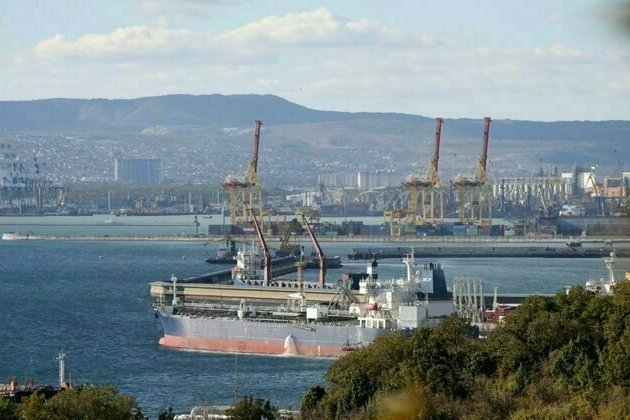
The European Union finally managed to approve a new round of sanctions on Russia -- as well as Belarus -- before going on its traditional all-August recess, eventually overcoming a Slovak veto in a saga that has dragged on for two months.
But perhaps the bigger story is that the bloc managed to agree to lower the Russian oil cap substantially, and do so on its own without agreement from the United States and other G7 nations -- who can join at a later stage -- a sign of a more confident and independent EU on the world stage.
When the oil price cap was first agreed on a G7-level in December 2022 it was meant as a sort of global compromise over an EU ban on services to transport Russian oil. The idea was to decrease Russian trade revenues but at the same time allow third countries, notably in the poorer global south, to still get access to the product in order to avoid shortages.
The cap was set at $60 per barrel and even though it should have been reviewed every three months to reflect fluctuations in world oil prices, it has remained at that level for the last two and half years.
The EU finally decided to push for a lowering to $45 per barrel when it presented its new round of sanctions, its 18th since the full-scale invasion of Ukraine in February 2022, in June.
Taking the proposal to the G7 summit in Canada last month, the bloc tried and failed to secure a deal with the United States resisting as oil prices surged after Israeli and American attacks on Iran's nuclear facilities.
SEE ALSO:
EU Sanctions Score A Legal Win Over Russian Oligarchs
Presumed dead at first, several key EU member states such as Germany and France as well as the European Commission still aimed at resuscitating the new cap and tried to convince Cyprus, Greece, and Malta - countries with considerable maritime services sectors to agree on EU-only measures instead.
Eventually the trio got onboard with lowering the cap to $47.6 per barrel, 15 percent lower than the average market price of Russian crude oil. What got them all onboard was the promise of a dynamic review of the cap, meaning that it should be reviewed on a regular basis.
The key thing to look out for now is if other G7 nations follow suit.
EU officials RFE/RL has spoken to hope that the United Kingdom, another significant maritime insurer, will join and that this will eventually prompt the United States to get onboard as well.
The other big talking point was the Slovak sanctions veto threat.
What made this veto special was the linkage Bratislava made to give thumbs up to the restrictive measures, which the Central European country in principle had nothing against.
What worried Slovakia was a separate proposal by the European Commission presented earlier this year to phase out Russian energy imports into the bloc by the end of 2027.
The proposal, named "RePowerEU," is not a traditional sanctions move which requires unanimity but an EU internal market regulation that can be adopted via a qualified majority of 55 percent of the member states representing 65 percent of the total EU population voting in favor. It would, in other words, be possible for Brussels to circumvent Bratislava entirely.
SEE ALSO:
Russia Seeks 'Expendable Manpower' For Ukraine War With New Recruiting Network
In the end, Fico lifted his veto threat late on July 17, paving the way for a stop to Russian gas flow to his country by January 1, 2028. But he did secure an improved crisis mechanism in the regulation that can be triggered in the case of high energy prices and gas shortages. So Russian gas could potentially still very much enter the bloc.
He also gotassurancesthat EU funds can be used to compensate for high gas prices, with the European Commission earlier this week presenting a proposal for a new 2 trillion-euro budget.
The European Commission, with its arrays of well-paid legal minds, also promised Fico that it will assist Slovakia in the case of any future arbitration over a breach of contract with the Russian energy giant Gazprom, which has valid contracts with Bratislava until 2034.
Get a daily dose of Kenya Star news through our daily email, its complimentary and keeps you fully up to date with world and business news as well.
Publish news of your business, community or sports group, personnel appointments, major event and more by submitting a news release to Kenya Star.
More Information(250718) -- BEIJING, July 18, 2025 (Xinhua) -- Visitors pose for photos at the booth of L'Oreal during the third China International...
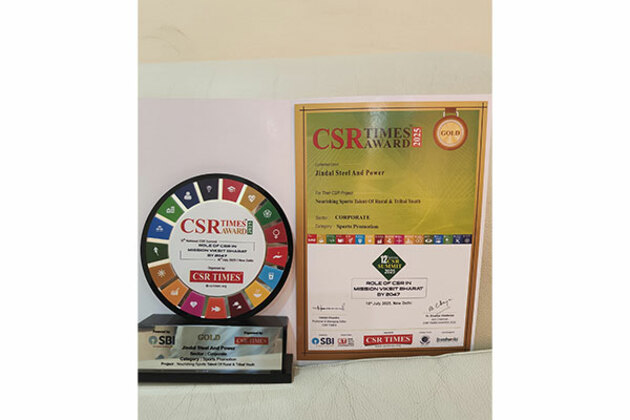
Jindal Steel & Power Limited Bhubaneswar (Odisha) [India], July 18: The Jindal Foundation, the social arm of Jindal Steel, has been...
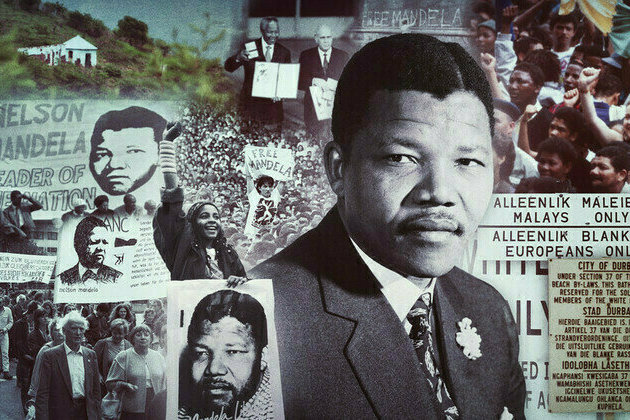
While Nelson Mandela aimed to protect the rights of marginalized groups, he never sought revenge or to discriminate against the white...

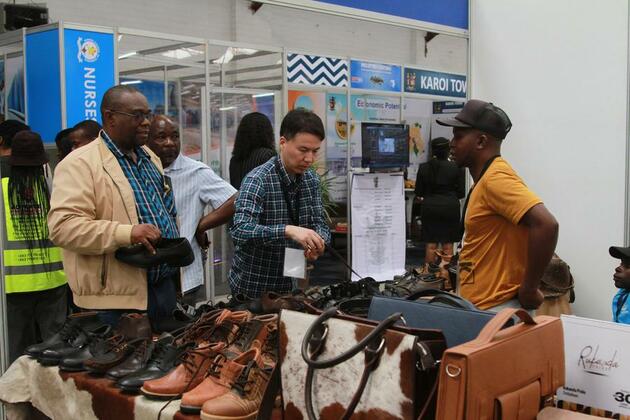
The increasing presence of Chinese companies is boosting Zimbabwe's job market, a Zimbabwean economic analyst said Thursday. HARARE,...
(250718) -- NAIROBI, July 18, 2025 (Xinhua) -- Artists from China's Inner Mongolia Art Theatre perform at Kenya National Theatre in...
(250718) -- ENTEBBE, July 18, 2025 (Xinhua) -- Dylan Leicher of Namibia bowls the ball during the opening match of the Pearl of Africa...
DUBLIN, Ireland: Taoiseach Micheál Martin has firmly rebuffed remarks made by U.S. diplomat Mike Huckabee, who criticized Ireland's...
The Gaelic Games in Palestine (GAA-P) organization has filed an official appeal after Irish authorities denied travel visas to its...
LONDON, U.K.: American consumers and businesses could soon face the highest overall tariff burden in more than a century, according...
The European Union finally managed to approve a new round of sanctions on Russia -- as well as Belarus -- before going on its traditional...
Welcome back to The Farda Briefing, an RFE/RL newsletter that tracks the key issues in Iran and explains why they matter. I'm RFE/RL...
While Nelson Mandela aimed to protect the rights of marginalized groups, he never sought revenge or to discriminate against the white...