


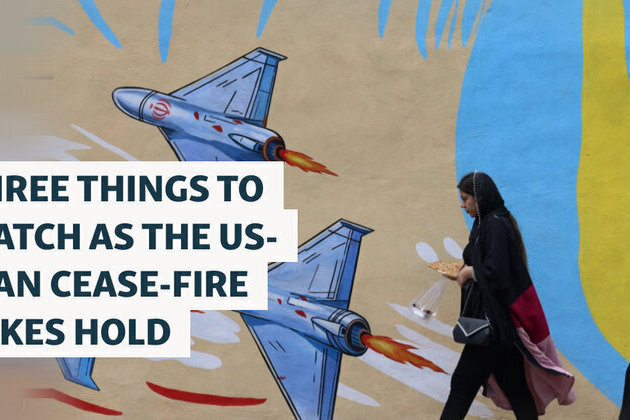
Three Things To Watch As The US-Iran Cease-Fire Takes Hold
RFE
08 Apr 2026, 20:44 GMT+10
 Share
Share
 Tweet
Tweet
 Share
Share
 Flip
Flip
 Email
Email
Subscribe and Follow
Get a daily dose of Kenya Star news through our daily email, its complimentary and keeps you fully up to date with world and business news as well.


News RELEASES
Publish news of your business, community or sports group, personnel appointments, major event and more by submitting a news release to Kenya Star.
More InformationSouth Africa on alert for maritime traffic surge

The Maritime Rescue Coordination Center and vessel managers are prepared to respond to emergencies along the countrys coastline and...
Gaganjeet Bhullar set for IGPL Invitational in Mauritius hosted by Leander Paes

Port Louis [Mauritius], April 8 (ANI): Gaganjeet Bhullar is set to play in the Indian Golf Premier League (IGPL) Invitational 2026,...
Moscow nearing full embassy coverage across Africa - Lavrov
Four new diplomatic missions will bring Russia close to full diplomatic representation on the continent, Foreign Minister Sergey Lavrov...
Moscow nearing full embassy coverage across Africa Lavrov
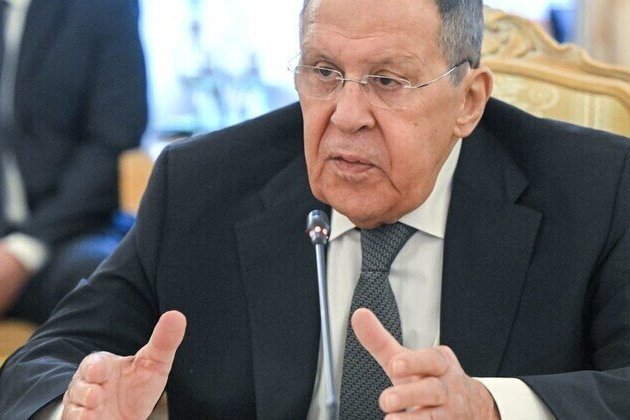
Four new diplomatic missions will bring Russia close to full diplomatic representation on the continent, Foreign Minister Sergey Lavrov...
MOZAMBIQUE-MAPUTO-CHINESE MEDICAL TEAM-CONFUCIUS INSTITUTE-FREE CLINIC

(260408) -- MAPUTO, April 8, 2026 (Xinhua) -- Doctors from the 25th Chinese medical team in Mozambique provide free clinic at the Confucius...
Rising fuel prices squeeze Tanzanians as Middle East conflict bites

While Tanzania's economy stayed relatively resilient, with steady growth and manageable inflation levels, local households are navigating...
Two-week Iran ceasefire announced
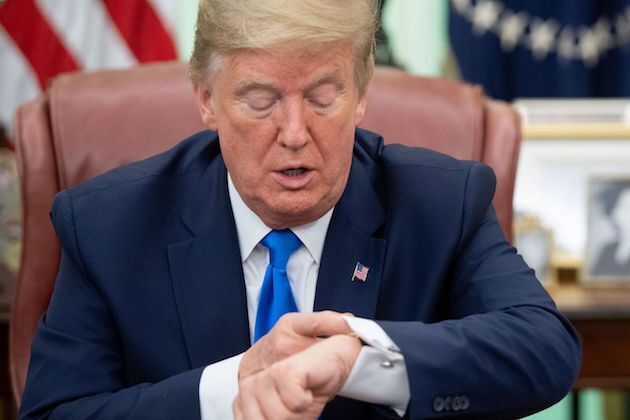
WASHINGTON, DC - In a stunning 11th hour development, former President Donald J. Trump has announced on Truth Social that he has suspended...
Bill Gates to testify over Epstein ties media

The Microsoft co-founder has been under heavy scrutiny for his interactions with the late sex offender Bill Gates will testify before...
Three Things To Watch As The US-Iran Cease-Fire Takes Hold
The United States and Iran have agreed to a two-week cease-fire, brokered by Pakistan, premised on Iran reopening the Strait of Hormuz....
Vance slams Zelenskys preposterous threat to Orban

The US VP accused Ukraine of interfering in the Hungarian election US Vice President J.D. Vance has condemned Vladimir Zelensky's...
RT crew caught up in Israeli strikes on Beirut
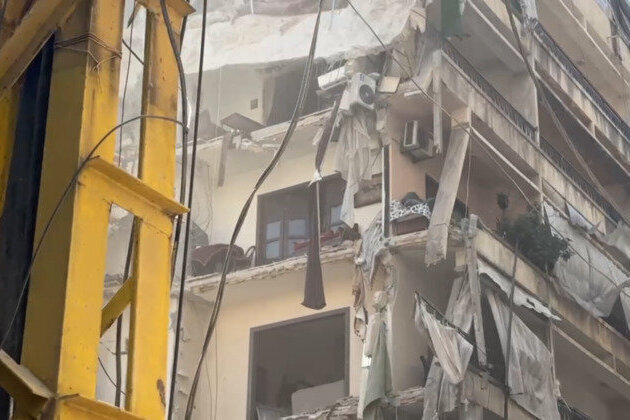
Attacks have increased despite the announced two-week US-Iran ceasefire, which was supposed to include Lebanon, correspondent Steve...
RT crew caught up in new Israeli attack on Lebanon
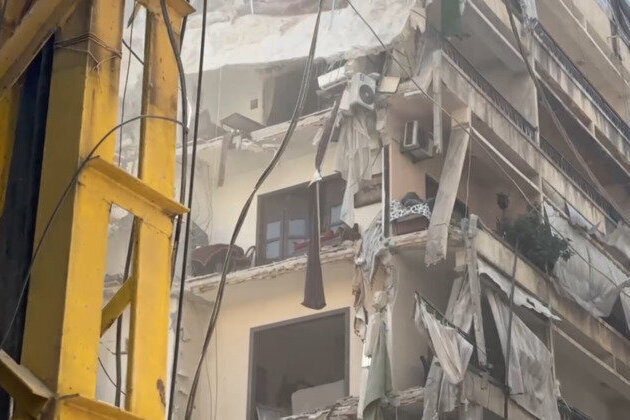
A senior Iranian official has vowed that Tehran will punish Israel in response to the crime it committed and the violation of the ceasefire...
